Building Resilience in Children: Practical Strategies for Parents and Educators
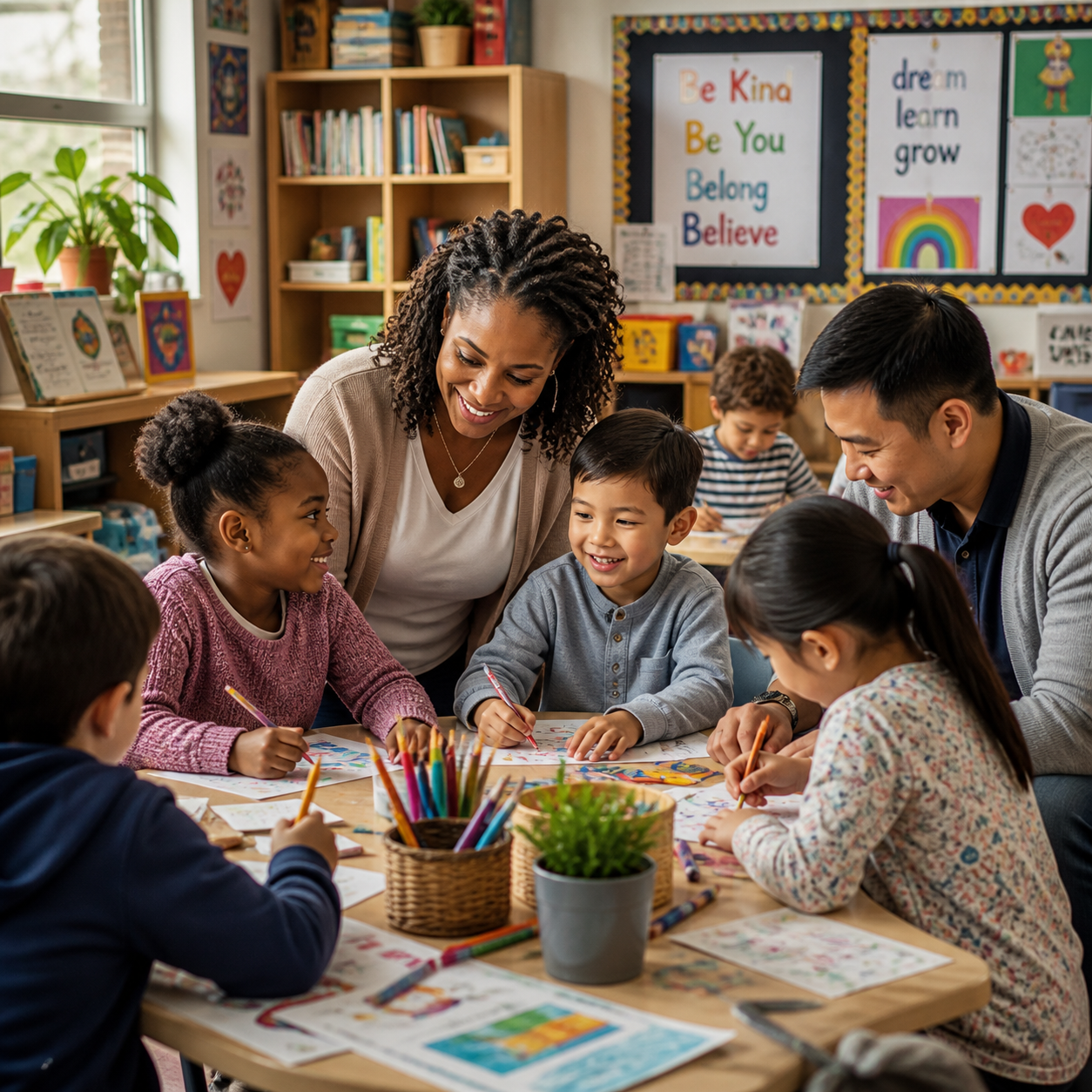
Children who develop strong coping skills don't just handle stress better — they're also less vulnerable to exploitation, abuse, and long-term psychological harm. Resilience isn't about raising kids who never struggle. It's about giving them the internal resources and trusted relationships to recover when life gets hard. That distinction matters enormously in the context of child protection.
What Does Resilience Really Mean for Children?
Resilience in children is the capacity to adapt, recover, and continue developing in the face of adversity, trauma, or significant stress. It's not a fixed personality trait — it's a skill set that grows through experience, relationships, and support.
Developmental psychologists often describe resilience as a dynamic process rather than a destination. A five-year-old navigating a difficult home situation needs different tools than a fifteen-year-old processing social rejection or loss. What stays constant across ages is the role of protective factors: the relationships, routines, and environments that buffer children against harm.
Crucially, resilience doesn't mean a child is unaffected by difficult experiences. It means they have the emotional vocabulary, support systems, and sense of self-worth to process those experiences without being defined by them. Children who feel seen, heard, and safe are far better equipped to recognize and respond to threats — including threats from people who may wish to harm them.
The Link Between Resilience and Child Abuse Prevention
Resilience training and child abuse prevention are deeply connected: children with stronger emotional foundations are harder to manipulate, more likely to disclose abuse, and better able to recognize unsafe situations.
Abusers frequently target children who lack confidence, feel isolated, or have been taught that adult authority is absolute and unquestionable. A child who has been empowered to trust their instincts, name their feelings, and speak to trusted adults is a fundamentally different target — one who is more likely to say something, seek help, and be believed.
This is why child empowerment sits at the center of effective abuse prevention programs. Teaching children that their bodies belong to them, that secrets that make them uncomfortable are not theirs to keep, and that they will be supported if they speak up — these are resilience strategies and protection strategies at the same time. The CDC's child abuse prevention framework consistently identifies relationship quality and emotional safety as primary protective factors.
One important caveat: resilience should never be positioned as a substitute for adult responsibility. Children are not responsible for preventing their own abuse. Adults are. Resilience simply ensures that when systems fail, children have more resources to cope, disclose, and recover.
Building Blocks of Resilience: What Children Need Most
Three foundational elements make resilience possible: stable relationships, emotional safety, and a genuine sense of agency.
Without at least one consistent, caring adult in their lives, most other resilience strategies fall flat. Research from the Harvard Center on the Developing Child consistently identifies the presence of a trusted adult as the single most important protective factor for children facing adversity. That adult doesn't need to be a parent — it can be a grandparent, teacher, coach, or neighbor. What matters is consistency and warmth.
Emotional safety means children can express fear, anger, sadness, or confusion without being shamed, dismissed, or punished for it. When a child learns that big feelings are manageable and that adults won't fall apart when they share hard things, they become more willing to communicate — which is exactly what keeps them safer.
Agency is the belief that one's actions and choices matter. Children who feel powerless are more easily manipulated. Age-appropriate decision-making — choosing what to wear, how to spend free time, how to resolve a conflict with a sibling — builds the internal experience of having a voice. That experience transfers directly to a child's ability to say "no" or "this doesn't feel right" in higher-stakes situations.
Strategies Parents Can Use at Home
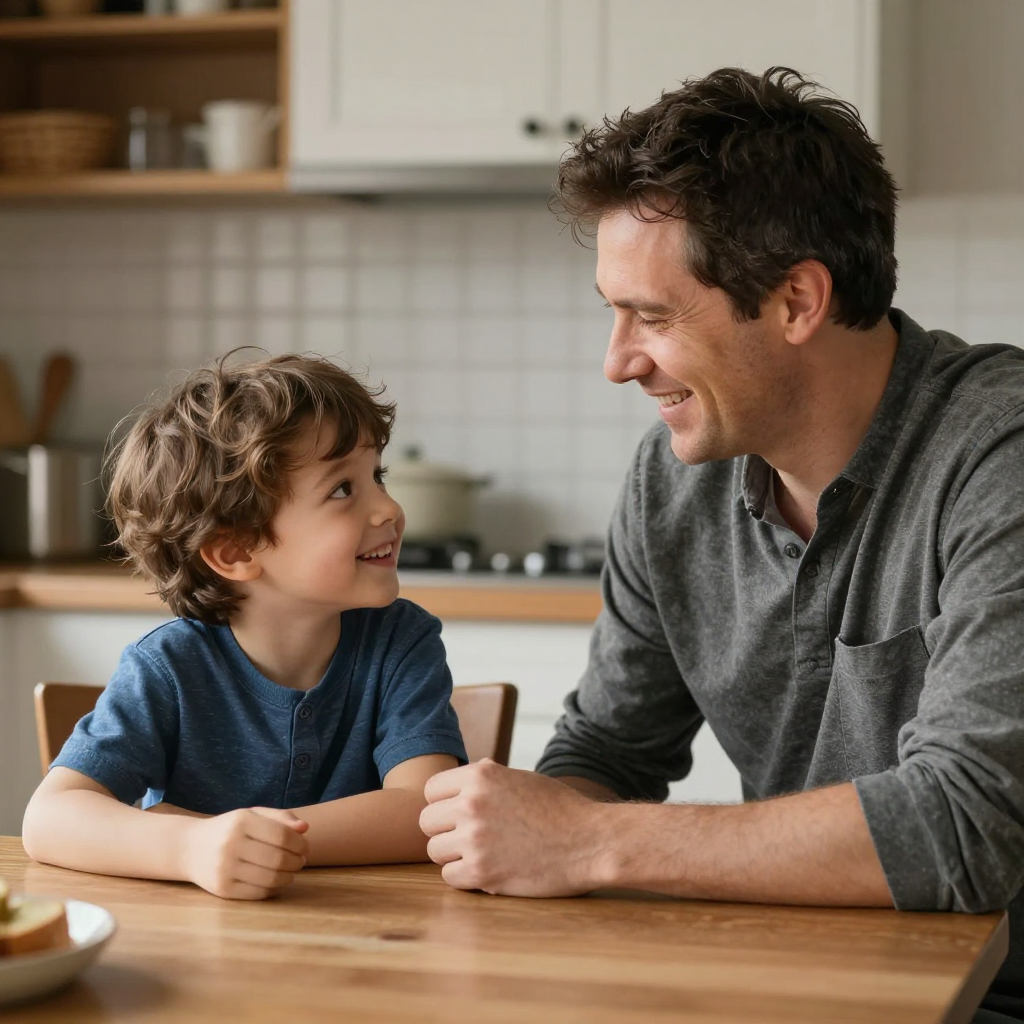
Parents build resilience most effectively through daily habits and the quality of everyday interactions, not through special programs or crisis moments.
Validate Emotions Without Rescuing
When a child is upset, the instinct to fix the problem immediately is understandable. But emotional regulation develops when children are allowed to feel discomfort while being supported through it. Try: "That sounds really frustrating. What do you think you could do?" instead of jumping to solutions. Over time, this builds problem-solving confidence.
Establish Predictable Routines
Routines are underrated resilience tools. Predictability reduces anxiety and helps children develop a sense of control over their environment. Bedtime rituals, consistent mealtimes, and regular check-ins signal safety in a way that words alone cannot.
Teach Body Autonomy Directly
Use age-appropriate language to teach children that their bodies belong to them. This includes the right to decline hugs — even from relatives — without explanation. These conversations, held calmly and repeatedly, build the foundation for recognizing and resisting inappropriate touch.
Model Coping Openly
Children learn emotional regulation by watching adults. Saying "I'm feeling stressed right now, so I'm going to take a few deep breaths" is more powerful than any worksheet. It normalizes struggle and demonstrates that adults have coping strategies too.
Strategies Educators Can Use in the Classroom
Schools are one of the most consistent safe environments in many children's lives — and educators are uniquely positioned to spot distress and reinforce resilience across an entire developmental year.
Adopt a Trauma-Informed Approach
A trauma-informed approach doesn't require a clinical background. It starts with a simple shift: asking "What happened to this child?" rather than "What's wrong with this child?" Behavioral problems, withdrawal, and difficulty concentrating are often stress responses, not character flaws. Responding with curiosity rather than punishment keeps the relationship intact — and relationships are the mechanism through which resilience grows.
Create Classroom Rituals That Build Safety
Morning check-ins, emotion wheels, and designated calm-down spaces are practical tools that signal to every student: this is a place where how you feel matters. These rituals also normalize emotional literacy across the peer group, reducing stigma for children who are struggling.
Teach Coping Skills Explicitly
Don't assume children know how to manage big emotions. Age-appropriate coping skills — breathing techniques, journaling, physical movement, talking to a trusted person — should be taught directly, practiced regularly, and revisited after difficult events. Skills practiced in calm moments are available in hard ones.
Be a Named Safe Adult
Educators can explicitly tell students: "I am someone you can come to if something doesn't feel right." That simple statement, repeated over time, has been shown to increase disclosure rates in children experiencing abuse or bullying. Children often don't tell because they're not sure who is safe to tell.
How Parents and Educators Can Work Together
Resilience is reinforced when the messages children receive at home and school are consistent. When adults in a child's life use the same language, share the same expectations around emotional expression, and communicate openly with each other, children experience a unified safety net rather than two separate environments with conflicting rules.
Educator-parent collaboration doesn't require elaborate systems. It can be as simple as a teacher sharing which coping strategies are being practiced in class so parents can reinforce them at home. Or a parent flagging a difficult family situation so the teacher can offer additional support during the school day without making the child feel spotlighted.
Schools that host brief resilience workshops for families — explaining what emotional regulation looks like at different ages, or how to talk to children about body safety — close the gap between what children learn at school and what happens at home. That consistency is protective in ways that either environment alone cannot replicate.
Recognizing When a Child Needs Additional Support
Some children show clear signs that typical resilience-building strategies aren't enough — and those signs deserve prompt, compassionate attention rather than a wait-and-see approach.
Watch for persistent changes that last more than two to three weeks: withdrawal from activities or relationships a child previously enjoyed, sudden regression to younger behaviors (bedwetting, clinginess, thumb-sucking), unexplained physical complaints like stomachaches or headaches, extreme reactions to minor stressors, or significant changes in sleep or appetite.
Disclosures of abuse, even partial or indirect ones, should always be taken seriously. A child saying "I don't want to go to [person's] house anymore" without explanation is worth a gentle, open-ended follow-up: "Can you tell me more about that?"
When concerns arise, parents and educators should not try to investigate or manage the situation alone. Referral to a school counselor, pediatrician, or child protective services is appropriate — and in many jurisdictions, educators are mandated reporters with a legal obligation to report suspected abuse. The Child Welfare Information Gateway provides state-by-state guidance on mandatory reporting requirements.
Frequently Asked Questions
At what age should resilience-building start?
Resilience-building starts at birth. Responsive caregiving in infancy — picking up a crying baby, making eye contact, soothing consistently — lays the neurological groundwork for emotional regulation. Formal conversations about feelings, coping, and body safety can begin around age three and should grow in complexity as children develop.
Can resilience be taught, or is it an innate trait?
Resilience is primarily learned, not innate. While temperament plays a role, research consistently shows that children who receive warm, consistent support from trusted adults develop significantly stronger coping capacities than those who don't — regardless of initial personality type.
How is resilience different from simply "toughening up" a child?
"Toughening up" typically means suppressing emotions or pushing through pain without support — which actually undermines resilience. True resilience is built by processing emotions, not denying them. A child who can name what they feel and seek appropriate help is far more resilient than one who has learned to appear unaffected.
What role does play have in building resilience?
Play is one of the most powerful resilience-building tools available. Unstructured play teaches children to manage frustration, negotiate with peers, tolerate losing, and recover from setbacks — all in a low-stakes environment. It also builds the sense of agency and joy that buffers against stress.
How do I talk to a child about difficult topics without causing fear?
Use calm, matter-of-fact language and follow the child's lead. Frame conversations around empowerment rather than danger: "Your body belongs to you, and you can always tell me if something feels wrong" is less frightening than detailed descriptions of harm. Short, repeated conversations over time are more effective than one big "talk."
Building resilience in children is one of the most meaningful things adults can do — not because it makes children responsible for their own safety, but because it gives them the tools to navigate a complex world with confidence, connection, and a clear sense of their own worth. That foundation, built day by day through small interactions and consistent relationships, is what protection truly looks like in practice.