The Impact of Trauma on Child Development: Signs, Effects, and Support

The impact of trauma on child development can appear in learning, behavior, physical health, emotional wellbeing, and relationships. Children respond differently to frightening or overwhelming experiences, and early support can strengthen safety, attachment, resilience, and recovery.
What Is Childhood Trauma?
Childhood trauma is an experience or pattern of experiences that overwhelms a child’s ability to feel safe, cope, or recover. In a child-protection context, it can involve abuse, neglect, domestic violence, exploitation, loss, serious accidents, community violence, or other threats to safety and wellbeing.
Trauma is shaped by more than the event itself. A child’s age, relationship with the people involved, duration of the experience, access to protection, and available support all influence how the experience affects development. Two children exposed to a similar event may show very different responses.
Adverse childhood experiences, often called ACEs, include experiences such as abuse, neglect, household violence, parental substance misuse, and other forms of instability. A high number of ACEs can increase the likelihood of later health and developmental difficulties, but ACEs are not a prediction of a child’s future. Protective relationships and timely support can alter that path.
Some children show clear distress. Others become unusually quiet, compliant, or focused on caring for adults. A child may also appear unaffected at first and develop difficulties later, particularly when a reminder, transition, or new developmental demand exposes unmet needs.
How Trauma Can Affect the Developing Brain and Body
Trauma can affect the developing brain and body by keeping stress-response systems activated for too long. Prolonged or repeated stress may interfere with sleep, attention, emotional regulation, learning, and physical wellbeing, although outcomes vary and trauma does not automatically cause permanent damage.
When a child perceives danger, the body prepares to respond. Heart rate, alertness, muscle tension, and stress hormones may increase. This response is protective during an immediate threat. With toxic stress, however, frequent or prolonged activation can make it harder for a child to return to a calm state, especially when a reliable adult cannot help them feel safe.
This may affect the skills needed for everyday development:
- Attention and learning: A child who is scanning for danger may struggle to listen, remember instructions, or complete classroom tasks.
- Emotional regulation: Strong feelings may arrive quickly and feel difficult to manage. A minor frustration can trigger a reaction that seems much larger than the immediate situation.
- Sleep and physical health: Nightmares, difficulty settling, headaches, stomach pain, fatigue, and changes in appetite may occur.
- Stress responses: Some children become hyperalert and reactive; others shut down, dissociate, or seem detached.
These effects should be understood carefully. Brain development remains flexible throughout childhood and adolescence. Stable routines, responsive caregiving, appropriate healthcare, and trauma-informed mental-health support can help restore a sense of safety and support healthy development.
Effects of Trauma Across Key Areas of Development
Trauma can influence cognitive, emotional, behavioral, physical, and social development at the same time. The effects may be temporary, recurring, or delayed, and professional assessment is needed to understand what a particular child is experiencing.
Cognitive and language development
Stress can make it harder to concentrate, process language, plan, solve problems, or retain new information. Younger children may lose previously acquired words or skills, while school-age children may show falling grades, incomplete work, or difficulty following multi-step directions. These changes can reflect distress rather than a lack of ability.
Emotional wellbeing and behavior
A child may experience anxiety, sadness, shame, irritability, fear, emotional numbness, or frequent mood changes. Behavior can include aggression, withdrawal, clinginess, risk-taking, regression, defiance, or repeated reenactment of frightening themes through play. Such behavior often communicates an unmet need, even when it creates real challenges for adults.
Attachment, relationships, and social skills
Trauma can affect trust and attachment. A child may avoid closeness, become intensely dependent on one adult, struggle with boundaries, or expect rejection. Peer relationships may suffer because the child misreads neutral actions as threatening or lacks the emotional regulation needed to negotiate conflict.
Physical health and developmental milestones
Stress may contribute to sleep problems, unexplained physical complaints, changes in eating, toileting difficulties, or frequent visits to health services. In some cases, development may appear to stall or move backward. Missing a milestone does not prove trauma, but a sudden change deserves thoughtful assessment rather than punishment or dismissal.
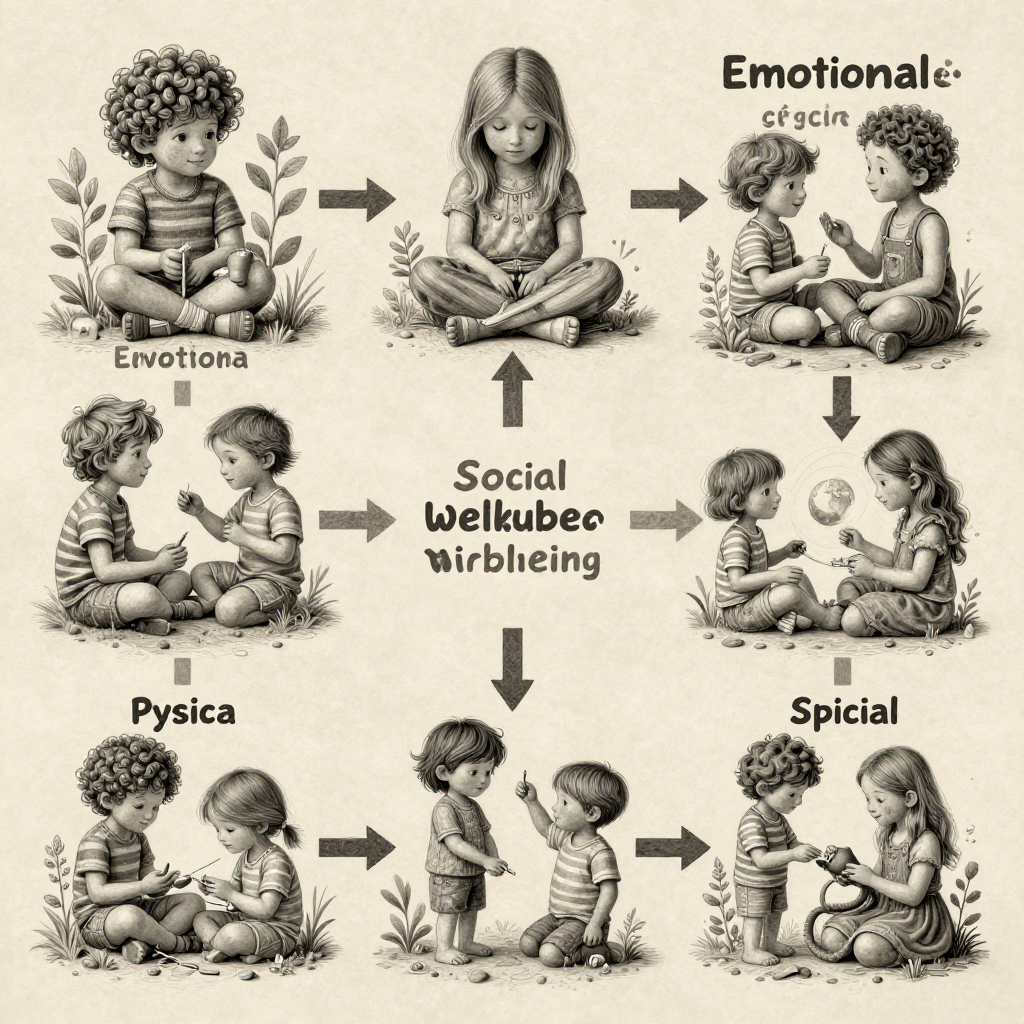
How Trauma May Present at Different Ages
Trauma signs vary by age because children communicate distress through the developmental skills they have available. Infants, school-age children, and adolescents may respond differently, and no single behavior confirms that trauma has occurred.
Infants and toddlers
Possible signs include changes in feeding, sleep, crying, eye contact, play, movement, or attachment behavior. A toddler may become unusually fearful, clingy, aggressive, withdrawn, or dependent on routines. Regression, such as renewed toileting accidents or loss of language, can also occur.
School-age children
Children may develop concentration problems, school refusal, declining performance, nightmares, frequent physical complaints, angry outbursts, or difficulty with friends. They may ask repeated questions about safety, blame themselves, or use play and drawings to express experiences they cannot explain directly.
Adolescents
Teenagers may hide distress or express it through isolation, self-harm, substance use, disordered eating, aggression, risky behavior, sleep changes, or sudden changes in attendance and relationships. Adolescents often value privacy, so calm, respectful conversations work better than interrogation.
Recognizing Signs That a Child May Need Help
A child may need help when there is a persistent, severe, or sudden change in behavior, development, mood, relationships, attendance, sleep, or physical wellbeing. One sign alone does not prove abuse, neglect, or another traumatic experience, so concerns should be recorded objectively and considered alongside the child’s circumstances.
- A noticeable change in behavior, personality, play, or communication
- New fears, nightmares, bedwetting, withdrawal, aggression, or extreme compliance
- Difficulty attending school, concentrating, learning, or completing familiar tasks
- Unexplained injuries, pain, frequent illness, hunger, poor hygiene, or exhaustion
- Fear of a particular person or place, or distress around contact arrangements
- Statements, drawings, or behavior suggesting the child feels unsafe
Adults should avoid leading questions or promising secrecy. Write down the child’s words as accurately as possible, including the date and context, and share concerns through the appropriate safeguarding pathway. Teachers, healthcare workers, relatives, and caregivers do not need to determine the cause alone.
Supporting a Child After Trauma
To support a child after trauma, prioritize immediate safety, provide predictable care, listen without pressure, and connect the child with qualified professionals. Consistent relationships and practical stability often form the foundation for emotional regulation and recovery.
- Check safety first. If a child is in immediate danger, contact local emergency services or the relevant child-protection service. Do not confront a suspected person if doing so could increase risk.
- Listen calmly. Give the child time to speak. Use open prompts such as, Tell me what happened, and avoid repeated questioning, blame, disbelief, or promises that you cannot keep.
- Validate feelings. Say that the child has done the right thing by speaking and that adults are responsible for keeping children safe. Avoid demanding details before the child is ready.
- Restore predictable routines. Regular meals, sleep, school contact, familiar activities, and clear transitions can reduce uncertainty. Offer choices where possible, such as which calming activity to try.
- Seek specialist support. A pediatrician, mental-health professional, social worker, school safeguarding lead, or child-protection service can assess needs and coordinate care.
Trauma-informed care asks, What may have happened to this child? rather than treating distress as deliberate misbehavior. Boundaries still matter, but consequences should be proportionate, explained, and paired with support for emotional regulation.
Child Protection, Reporting, and Recovery
Child safeguarding and protection concerns should be escalated through local procedures whenever a child may be at risk of harm. Reporting requirements differ by country and professional role, so contact the relevant local child-protection authority, safeguarding lead, healthcare service, or emergency service rather than relying on a general online rule.
Keep records factual: note what was observed, what the child said, when it occurred, and what action was taken. Avoid investigating, interviewing potential witnesses repeatedly, or seeking proof before reporting a reasonable concern. Those steps can increase pressure on the child and interfere with a specialist assessment.
Recovery rarely follows a fixed timeline. Children may improve, experience setbacks, or show progress unevenly as they encounter reminders and new developmental challenges. A dependable caregiver, safe housing, supportive school, healthcare access, and evidence-based therapy can all strengthen resilience and recovery.
The goal is broader than reducing symptoms. It is helping the child regain safety, trust, emotional regulation, participation in learning, and confidence in relationships. For further background on adverse childhood experiences and protective factors, the Centers for Disease Control and Prevention information on ACEs provides a useful public-health overview.
Frequently Asked Questions
How does trauma affect a child’s brain development?
Trauma can keep stress-response systems active and make attention, memory, emotional regulation, and sleep more difficult. Development remains flexible, and supportive relationships and appropriate treatment can help.
Can childhood trauma affect learning and school performance?
Yes. Affected children may struggle with concentration, attendance, memory, language processing, or classroom behavior. Schools can help through predictable routines, safeguarding support, reasonable adjustments, and referrals.
What are common signs of trauma in children?
Common possible signs include sleep changes, withdrawal, aggression, fear, regression, physical complaints, declining school performance, and sudden changes in relationships. None proves trauma on its own.
How can caregivers support a traumatized child?
Keep the child safe, listen without pressure, validate feelings, maintain routines, set calm boundaries, and seek support from pediatric, mental-health, social-care, or child-protection professionals.
When should a child-protection concern be reported?
Report when you have a reasonable concern that a child is being harmed, neglected, exploited, or placed at risk. If danger is immediate, contact local emergency or child-protection services at once.