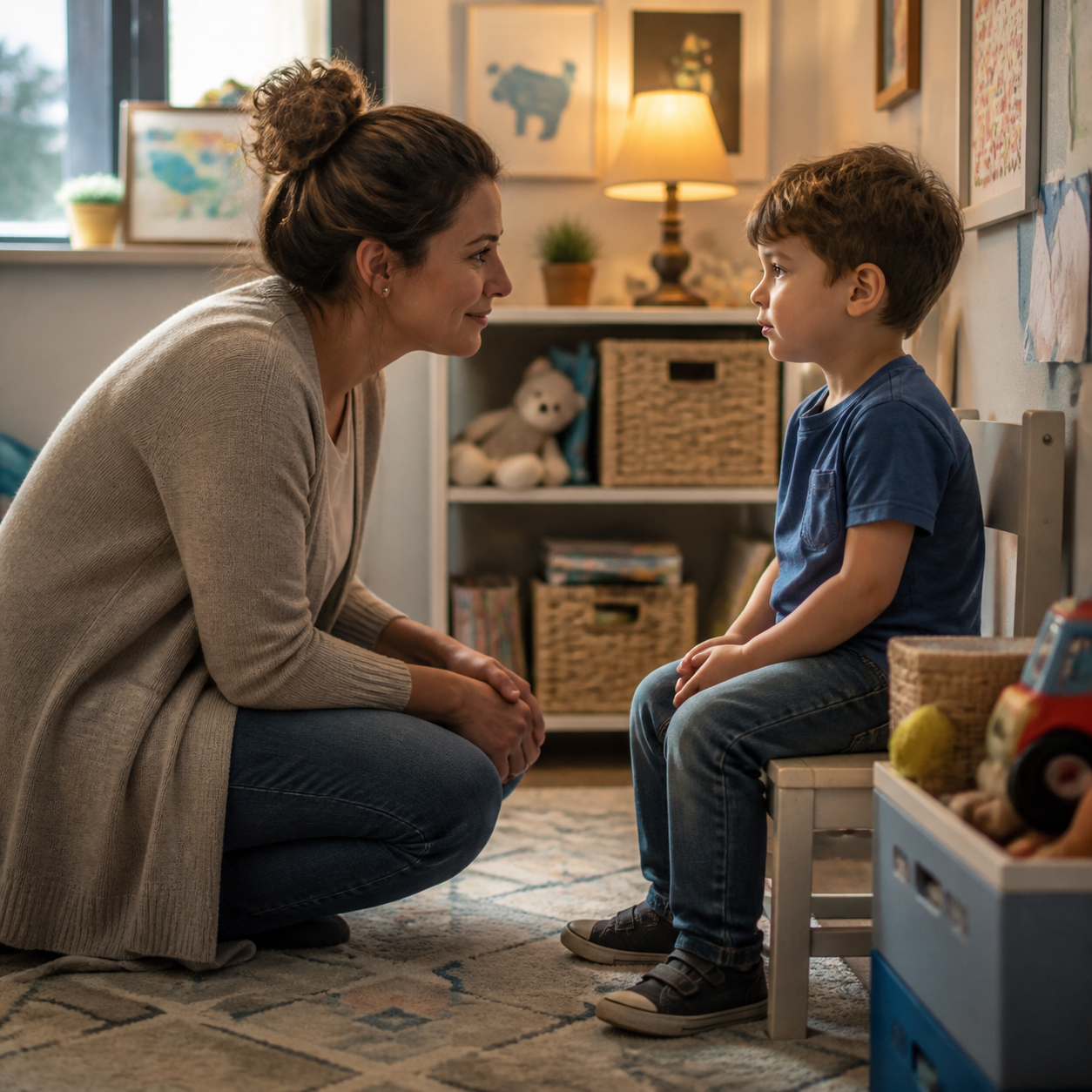
Understanding the Signs of Child Abuse: Key Indicators Every Adult Should Know
Most adults who encounter an abused child never expected to be in that position. They weren't trained professionals. They were a neighbor, a soccer coach, a grandmother. Recognizing the signs of child abuse doesn't require a clinical background — it requires attention, awareness, and the willingness to act. This guide gives you both.
Why Every Adult Has a Role in Child Protection
Child protection is not a job title — it's a shared responsibility that falls on every adult in a child's life. Research consistently shows that abuse is rarely discovered by chance; it's identified by someone who noticed something felt wrong and chose to act on that instinct.
The idea that only social workers or school counselors are equipped to recognize abuse is one of the most damaging misconceptions in safeguarding. In reality, a parent at a birthday party, a teacher during a classroom activity, or a pediatrician during a routine checkup may be the first — and sometimes only — person positioned to notice the warning signs.
Awareness doesn't mean suspicion of everyone. It means staying attuned to the children around you, understanding what healthy child development looks like, and knowing when something deviates from it in ways that warrant concern. That attentiveness is the foundation of any effective child protection system.
The Four Types of Child Abuse and What Sets Them Apart
Child abuse falls into four recognized categories, each with its own patterns and indicators. Understanding the distinctions helps adults recognize signs they might otherwise misattribute to something else.
- Physical abuse involves intentional harm to a child's body — hitting, burning, shaking, or other acts that cause injury. It's the most visible form but not always the most common.
- Emotional and psychological abuse includes persistent humiliation, rejection, threats, or extreme criticism that damages a child's sense of self-worth. It leaves no visible marks but causes lasting harm.
- Sexual abuse encompasses any sexual contact or behavior involving a child, including exposure to sexual content or language. Critically, most perpetrators are known to the child — not strangers.
- Neglect is the failure to meet a child's basic needs: food, shelter, supervision, medical care, or emotional support. It's the most frequently reported form of maltreatment in many countries, yet it often goes unrecognized because it can look like poverty or disorganization.
These types frequently overlap. A child experiencing sexual abuse may also face emotional abuse in the form of threats or manipulation. Neglect and physical abuse often co-occur. Recognizing one type should prompt awareness of others.
Physical Signs That Should Never Be Ignored
Unexplained or inconsistently explained injuries are among the clearest physical indicators of abuse. A bruise on a toddler's shin from falling off a bike is expected. Bruises on the torso, back, or face — especially in patterns or at different stages of healing — are not.
Specific physical signs worth noting include:
- Injuries inconsistent with the child's developmental stage (e.g., spiral fractures in non-walking infants)
- Burns with clear edges, which suggest deliberate contact rather than accidents
- Frequent injuries with explanations that shift or don't match the wound
- Persistent poor hygiene, unwashed clothing, or appearing chronically underfed
- Untreated medical or dental problems that a caregiver has been made aware of
- Inappropriate dress for weather conditions — a sign of possible neglect
One important caveat: physical signs alone are indicators, not proof. Children do get injured in ordinary ways. The concern arises from patterns, inconsistencies, and the context surrounding the injury — not from a single observation in isolation.
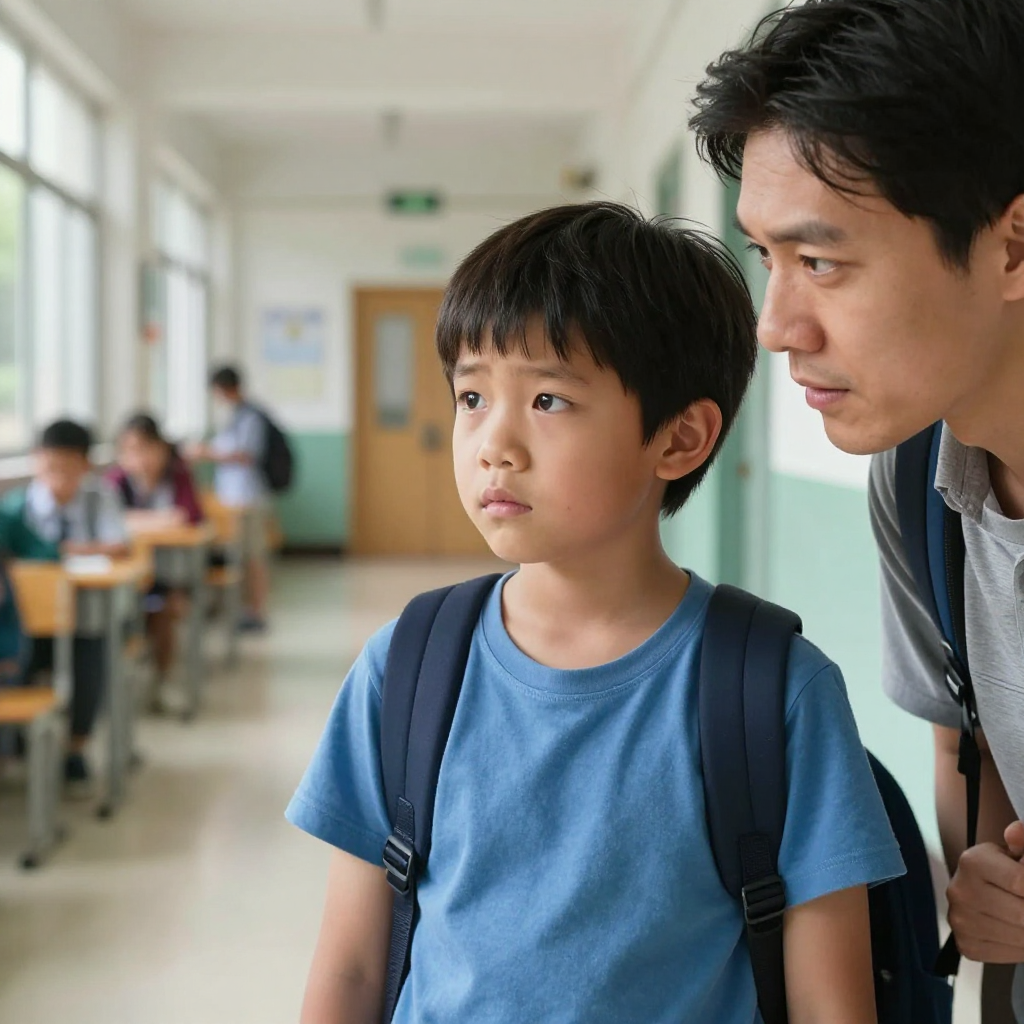
Behavioral and Emotional Warning Signs in Children
Behavioral changes are often the first — and sometimes the only — visible signal that something is wrong. Because they don't leave physical marks, these signs are easier to overlook or explain away. They shouldn't be.
A child's behavior is a form of communication. When a previously outgoing child becomes withdrawn, or a child who was developmentally on track begins regressing to younger behaviors (bedwetting, thumb-sucking, clinging), those shifts carry meaning. The same is true for sudden aggression, persistent nightmares, or a fear response triggered by specific adults, places, or situations.
Key behavioral and emotional indicators include:
- Withdrawal from friends, activities, or trusted adults — especially if sudden
- Unexplained changes in school performance or attendance
- Excessive compliance or people-pleasing behavior (sometimes called "hypervigilance")
- Age-inappropriate sexual knowledge, language, or behavior
- Flinching at sudden movements or physical contact
- Sleep disturbances, including persistent nightmares or reluctance to sleep
- Statements that suggest low self-worth or that they "deserve" bad things
Trauma responses in children don't always look like distress. Some children become exceptionally well-behaved and eager to please as a survival strategy. Others act out. Neither response is a reliable indicator on its own — but either, combined with other signs, warrants attention.
How Children Communicate Abuse (and Why They Often Don't)
Most children who are being abused do not make a clear, direct disclosure. The barriers to telling someone are significant — and understanding them helps adults recognize partial or indirect disclosures for what they are.
Children may stay silent because they fear they won't be believed. They may feel shame, even though they did nothing wrong. Many feel a complex loyalty to the person hurting them, especially when that person is a parent, relative, or trusted caregiver. Abusers often explicitly threaten consequences — for the child, for siblings, for the family — if the child speaks. These aren't irrational fears. They're calculated barriers.
When children do communicate, it often happens indirectly. A child might:
- Make a vague or hypothetical statement ("What would happen if someone did something bad to a kid?")
- Disclose partially and then retract when they sense discomfort in the listener
- Use drawings, play, or stories to express what they can't say directly
- Test the water with a small piece of information to gauge whether it's safe to say more
If a child begins to disclose to you, the most important thing you can do is stay calm, listen without interrupting, and avoid asking leading questions. Say something like: "I believe you. You're not in trouble. I'm glad you told me." Then stop asking questions — that's the role of trained investigators, not yours.
What to Do If You Suspect a Child Is Being Abused
You do not need to be certain before reporting a concern. In most jurisdictions, the legal and ethical standard for reporting suspected child abuse is reasonable suspicion — not proof. Your job is to report what you've observed; it is the role of Child Protective Services (CPS) or the equivalent reporting authority to investigate.
Here's a practical framework for responding:
- Stay calm and present. If a child is disclosing or showing signs, don't react with shock or urgency that might cause them to shut down.
- Document what you observed. Write down specific behaviors, statements, or physical signs with dates and context — before memory fades.
- Do not confront the suspected abuser. This can escalate danger for the child and compromise any subsequent investigation.
- Contact your local child protective services or law enforcement. In the United States, the Child Welfare Information Gateway provides state-by-state reporting resources. Most countries have equivalent national hotlines.
- Follow up if needed. If you feel your report wasn't taken seriously, you can report again or escalate to law enforcement directly.
Many adults hesitate because they're afraid of being wrong — of damaging a family based on a misread situation. This fear, while understandable, should not override action. Reports made in good faith, even when they don't result in confirmed abuse findings, are legally protected in most jurisdictions. A false alarm is far less harmful than a missed one.
Building Awareness as a Form of Prevention
Recognition and prevention are two sides of the same effort. When adults in a community are informed about the signs of child abuse, the environment itself becomes less hospitable to abuse — because abusers rely on silence, isolation, and ignorance to operate.
Children who have at least one trusted adult in their lives — someone they believe will listen and act — are significantly more resilient in the face of adversity. That relationship doesn't require professional training. It requires consistency, availability, and the kind of calm presence that signals safety.
Trauma-informed awareness means understanding that a child's difficult behavior might be a response to something being done to them, not a reflection of who they are. It means building environments — in homes, schools, and communities — where children feel safe enough to speak, and where adults feel equipped enough to hear them.
Awareness is the first layer of protection. It costs nothing, requires no certification, and can change the trajectory of a child's life.
Frequently Asked Questions
What is the most common type of child abuse that goes undetected?
Neglect is the most frequently reported and most commonly undetected form of child maltreatment. Because it often resembles poverty or parental stress rather than deliberate harm, it tends to be minimized or overlooked. Persistent signs — chronic hunger, poor hygiene, unsupervised young children — should be taken seriously.
Can a child show signs of abuse without any visible physical marks?
Yes, and this is common. Emotional abuse, sexual abuse, and neglect often leave no physical marks at all. Behavioral and emotional indicators — withdrawal, fear responses, regression, age-inappropriate sexual knowledge — are frequently the only visible signs. Taking these seriously is as important as noting physical injuries.
What should I say (or not say) if a child starts to disclose abuse to me?
Keep your response calm and affirming. Say something like: "I believe you" and "You did the right thing by telling me." Avoid asking probing questions like "What exactly happened?" or "Are you sure?" — these can contaminate a child's account and complicate later investigations. Listen, validate, and then report to the appropriate authority.
Am I legally required to report suspected child abuse?
In many countries and U.S. states, certain professionals (teachers, doctors, social workers) are designated mandated reporters with a legal obligation to report. Even if you are not a mandated reporter, most jurisdictions strongly encourage all adults to report reasonable suspicions. Check your local laws — but don't let uncertainty about legal obligation stop you from acting.
What if I report and I turn out to be wrong — will the child or family be harmed by the report?
Reports made in good faith are legally protected in most jurisdictions, meaning you cannot be sued for reporting a genuine concern that turns out to be unfounded. CPS investigators are trained to assess situations without assuming guilt. An unsubstantiated report does not automatically harm a family — and the alternative, staying silent when a child is at risk, carries far greater consequences.